Charting Player-Centric Development Models Amid Virginia's Casino Policy Adjustments
Leon Bennett · Aug 18, 2026
Charting Player-Centric Development Models Amid Virginia's Casino Policy Adjustments
Virginia has steadily expanded its commercial casino framework since the initial legislative approvals in 2020, and operators now face fresh policy tweaks that emphasize responsible player interactions alongside revenue growth. Data from state filings indicate that five locations operate under the current structure, each required to submit annual plans that detail how they allocate resources toward user experience enhancements rather than solely toward floor expansions.
Policy Shifts and Their Scope
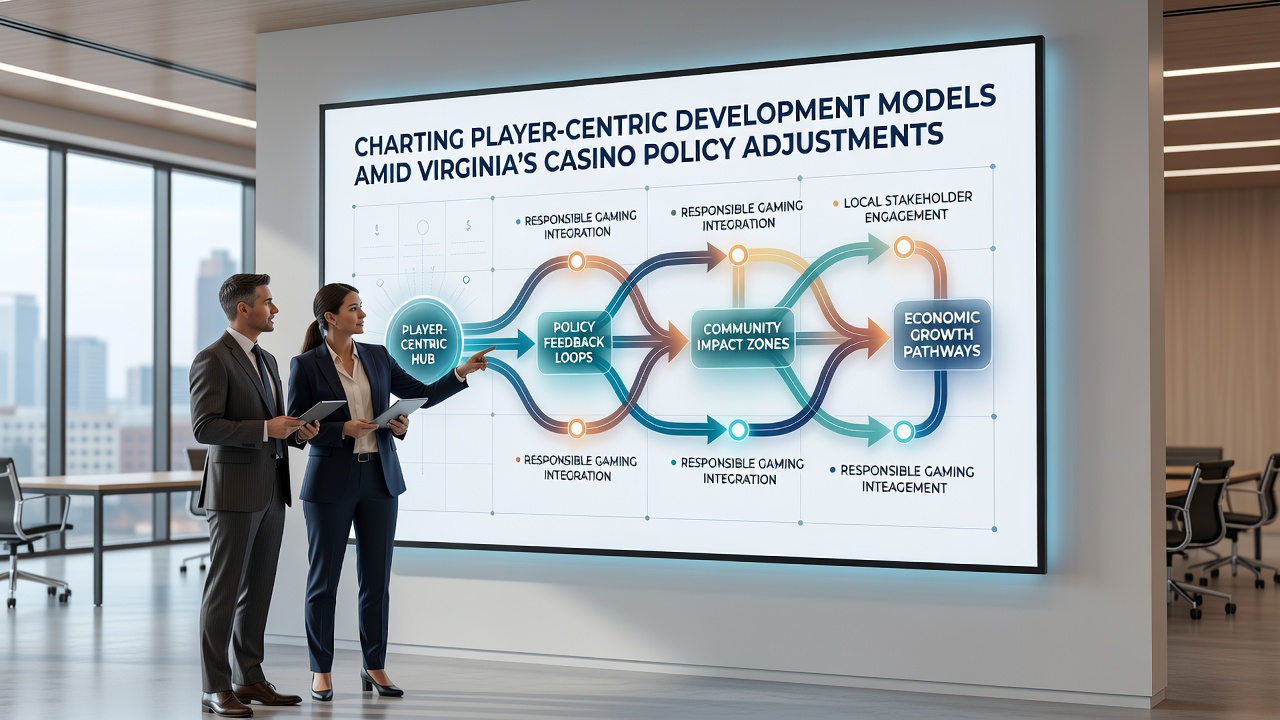
Recent adjustments approved by the Virginia Lottery Board require casinos to integrate player feedback loops into every major capital project, with compliance measured through quarterly reporting cycles. These rules emerged after legislative sessions examined participation rates across different demographic groups, and they now tie licensing renewals to documented improvements in session-length satisfaction scores. Observers note that facilities in Bristol and Danville have already begun redesigning their loyalty programs to include voluntary play limits that align with updated state guidelines.
By August 2026 the board plans to introduce a standardized player-centric metric that combines voluntary self-exclusion data with on-site amenity usage patterns, creating a single index that regulators will publish in aggregate form. This timeline gives operators roughly eighteen months to align their internal analytics platforms with the forthcoming format.
Building Models Around Player Behavior
Player-centric development models focus on mapping decision pathways that begin before arrival and extend through post-visit follow-up. Facilities achieve this by layering digital interfaces over physical spaces, allowing guests to set personal budgets or receive real-time session summaries via mobile apps. Research compiled by the American Gaming Association shows that properties employing such layered systems report higher repeat-visit intervals when compared with those relying on traditional comp structures alone.
Key Components in Practice
- Dynamic floor zoning that adjusts based on occupancy heat maps collected from anonymized entry data
- Integrated responsible gaming tools that trigger at thresholds chosen by the individual rather than fixed casino defaults
- Cross-department coordination between marketing and security teams to flag patterns that might indicate fatigue or distress
Those who manage these systems emphasize that the models succeed when data flows remain bidirectional, meaning player preferences shape both game selection and non-gaming offerings such as dining reservations or entertainment scheduling.
Implementation Examples Across the State
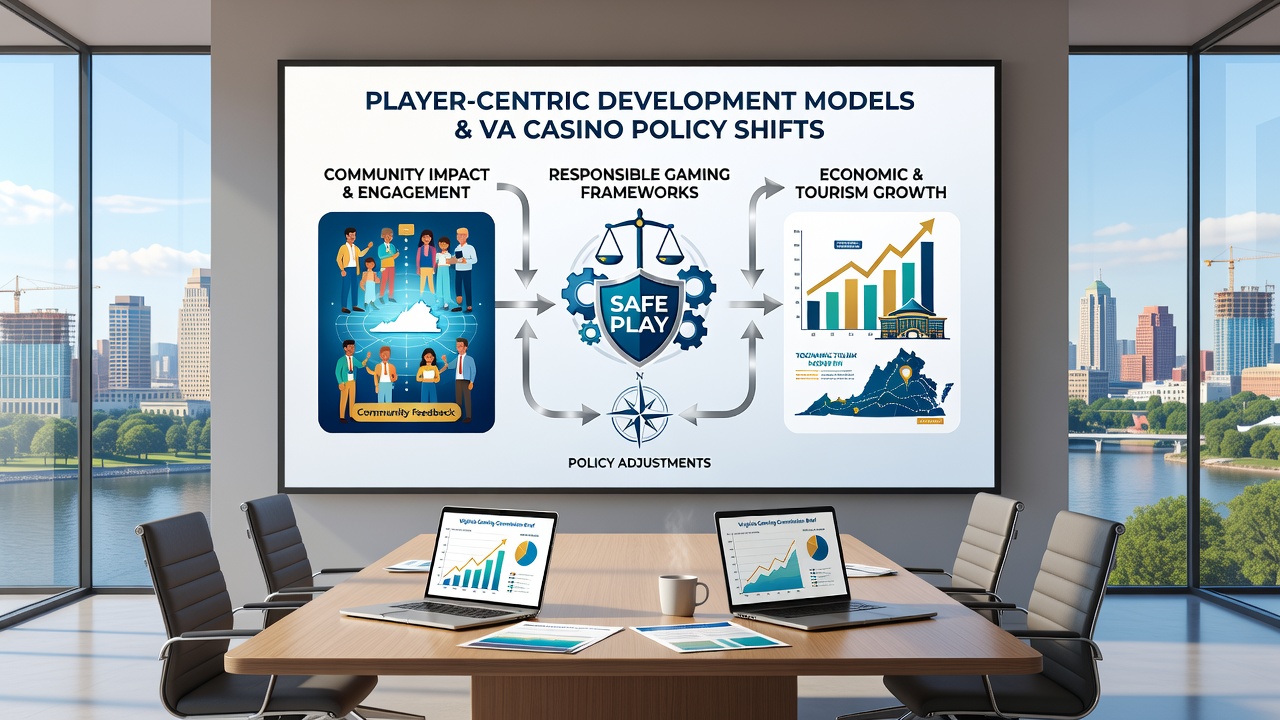
One facility near Richmond has introduced a modular rewards structure that lets participants choose between cashback percentages or experiential credits, with the choice recorded at the start of each visit. State records show this option increased voluntary disclosure of preferred activity types by 22 percent within the first six months. Another operator in Emporia partnered with a regional university research group to test wayfinding signage that reduces navigation friction for first-time visitors, and preliminary findings indicate shorter average entry-to-play intervals.
These approaches differ from earlier capital allocation frameworks that prioritized high-denomination machines or expanded table games without corresponding service adjustments. The new emphasis requires operators to demonstrate measurable lifts in player-reported comfort levels before they receive approval for additional gaming positions.
Data Integration and Regulatory Alignment
Virginia regulators now accept anonymized datasets from casino management systems provided those datasets follow encryption standards outlined in the 2024 compliance circular. This allowance enables operators to benchmark their player-centric initiatives against peer properties while remaining within legal boundaries. Figures released by the Virginia Department of Accounts reveal that facilities adopting early versions of these models achieved faster regulatory review times for expansion permits.
Industry organizations such as the Canadian Gaming Association have published parallel guidance on similar metrics, offering Virginia operators additional reference points without direct regulatory overlap. Cross-jurisdictional comparisons help identify which interventions produce consistent results across varying tax structures and demographic mixes.
Outlook Through 2026 and Beyond
Stakeholders anticipate that the August 2026 metric rollout will accelerate adoption of adaptive technology platforms capable of updating in near real time. Existing contracts already stipulate that any new gaming device installations must include ports for future player-input modules. Those who track legislative calendars expect supplementary guidance on how these platforms interface with statewide self-exclusion registries.
Continued refinement of player-centric models therefore hinges on transparent data exchange between operators and the Virginia Lottery Board, with success measured by sustained participation rates rather than headline revenue figures alone.
Conclusion
Virginia's evolving casino policies now embed player-centric requirements into the core licensing process, prompting operators to redesign both physical layouts and digital touchpoints around documented user pathways. The framework scheduled for full effect in August 2026 will standardize how facilities report engagement outcomes, creating a clearer benchmark for future adjustments across the state.