Examining Shifts in Player Behaviors Across Networked Gaming Platforms Using Collective Data Insights
Freya Russell · Aug 4, 2026
Examining Shifts in Player Behaviors Across Networked Gaming Platforms Using Collective Data Insights
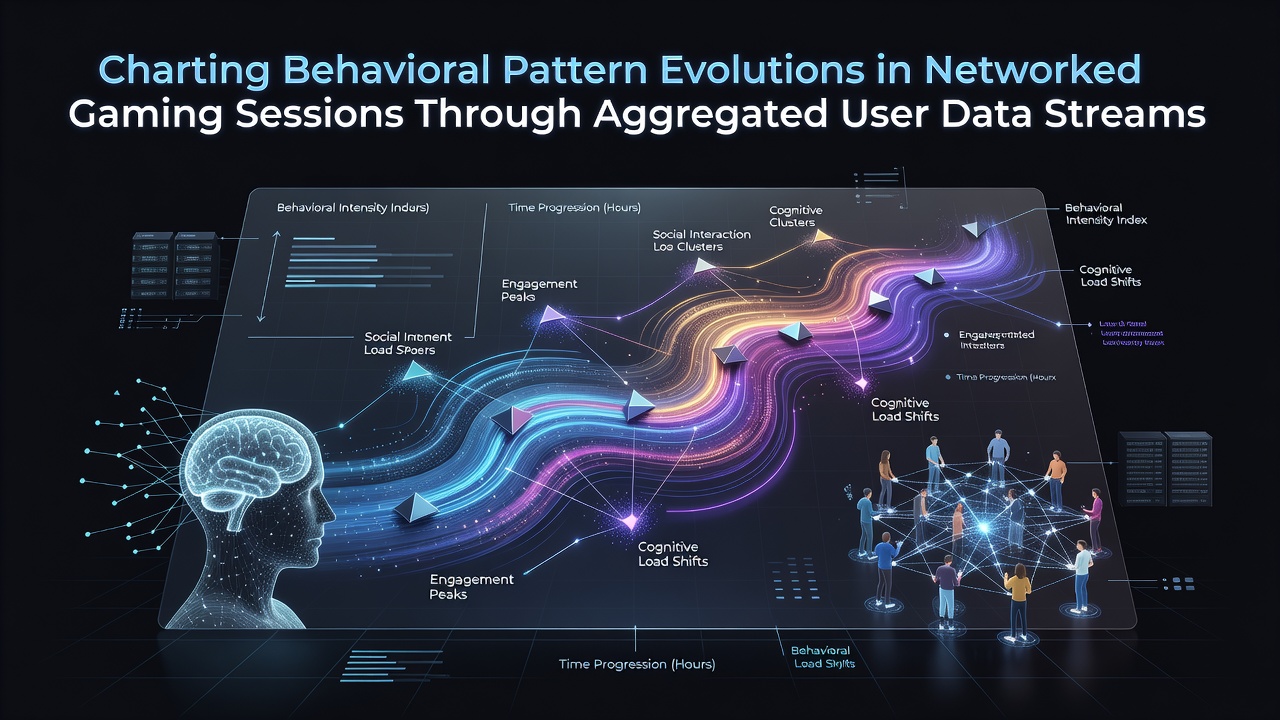
Networked gaming platforms generate continuous streams of user activity that researchers compile into larger datasets for analysis, and these collections reveal how decision patterns evolve during extended sessions across connected environments. Data aggregation techniques pull together metrics such as session duration, choice sequences, and response times from multiple sources, which allows observers to identify trends that single-platform records might miss. Studies from various academic groups show that players often adjust their strategies mid-session when real-time feedback from aggregated trends becomes available through in-game interfaces.
One notable development involves the way session length correlates with specific behavioral markers, and researchers track these connections through time-stamped logs that platforms collect under standard privacy protocols. In many cases, shorter bursts of activity give way to prolonged engagements as users encounter cumulative reward signals drawn from broader network data. Evidence from platform reports indicates that decision trees shift noticeably after roughly 45 minutes, with participants favoring conservative options more frequently once aggregate win distributions appear on shared leaderboards.
Methods Behind Data Collection and Pattern Identification
Analysts rely on standardized APIs to merge information from disparate servers, and this process creates unified views of player movements across regions and game types. Machine learning models then process these merged streams to flag recurring sequences, such as repeated bet adjustments or pauses that precede high-stakes moves. According to findings released by the University of Nevada's International Gaming Institute, clusters of similar behavioral shifts appear consistently in datasets covering millions of sessions logged between 2023 and 2025.
Geographic variations also surface when data pools incorporate records from multiple jurisdictions, and Canadian provincial reports, for instance, highlight different pacing compared with patterns observed in Australian markets. These differences emerge because local regulations influence how platforms present aggregated statistics to users, which in turn affects subsequent choices. Observers note that platforms operating under stricter disclosure rules tend to produce datasets showing steadier progression in player caution levels over time.
Key Trends Observed in Recent Aggregated Streams
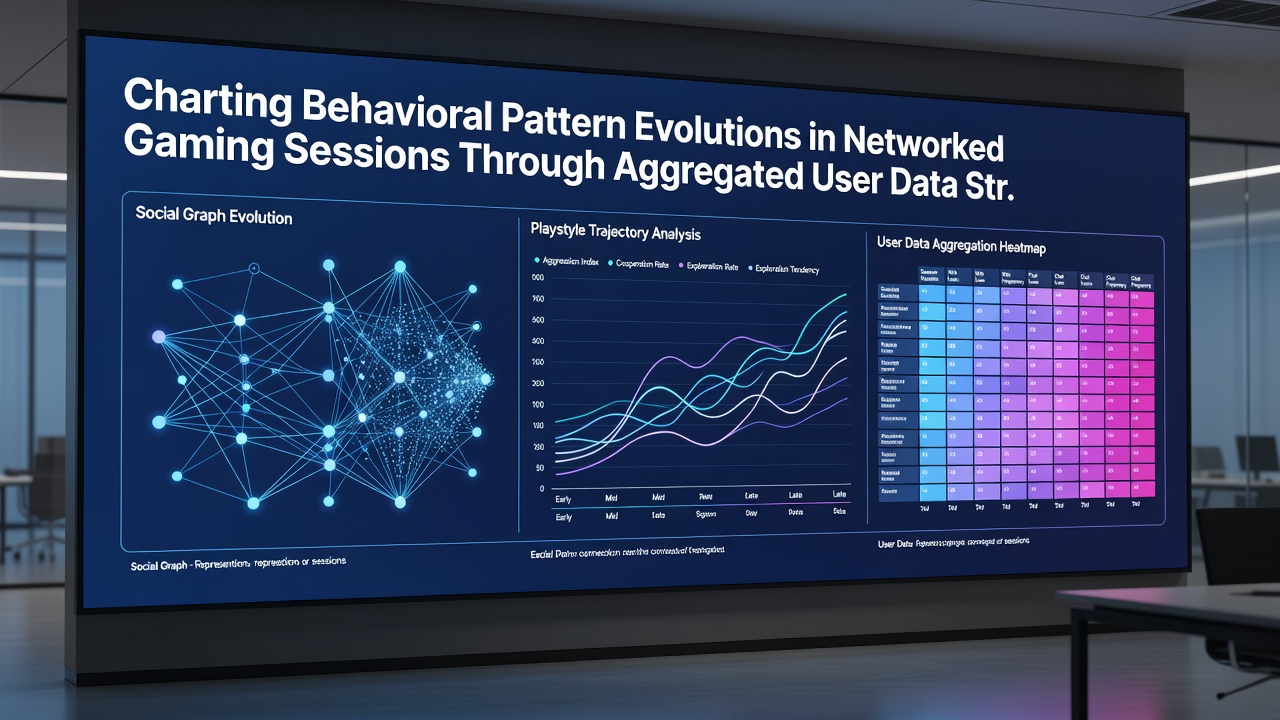
Behavioral evolutions appear most clearly in the transition from initial exploration phases to later optimization stages, and aggregated records demonstrate that users refine their approaches based on collective performance benchmarks rather than isolated results alone. Data from 2024 onward shows increased frequency of mid-session strategy resets, particularly when network-wide averages update in real time. Those who've examined these streams point out that such resets often coincide with visible changes in reward frequency indicators drawn from the larger pool.
By August 2026 several major operators plan to expand their aggregation frameworks to include cross-title comparisons, which should further illuminate how skills developed in one game type transfer to others within the same ecosystem. Preliminary tests already indicate measurable carryover effects in decision speed and risk tolerance metrics. Regulatory bodies in Asia have begun requesting summaries of these expanded datasets to monitor compliance with emerging responsible gaming standards.
Implications for Platform Design and User Experience
Design teams incorporate pattern insights when adjusting interface elements that display collective data, and this feedback loop encourages more deliberate pacing in certain game modes. Evidence suggests that platforms providing clearer visualizations of aggregated trends see reduced variance in session outcomes across user cohorts. Research groups at institutions like Singapore's Nanyang Technological University have documented these effects in controlled studies released during 2025.
Yet challenges remain in maintaining data integrity when merging streams from sources with differing collection frequencies, and technicians address these through normalization protocols that preserve temporal accuracy. The result is a more reliable picture of how behaviors evolve under varying network conditions, which supports ongoing refinements to game mechanics without relying on anecdotal reports alone.
Conclusion
Aggregated user data streams continue to provide the clearest window into evolving behavioral patterns within networked gaming sessions, and ongoing technical improvements promise even finer resolution in future analyses. Platforms that integrate these insights responsibly stand to benefit from more predictable engagement cycles while meeting regulatory expectations across regions. Continued collaboration between researchers, operators, and oversight agencies will determine how effectively these tools shape the next generation of gaming environments.