Forging Enduring Player Bonds: Data Models That Extend Casino Sessions While Curbing Fatigue
Felix Schwarz · Jul 21, 2026
Forging Enduring Player Bonds: Data Models That Extend Casino Sessions While Curbing Fatigue
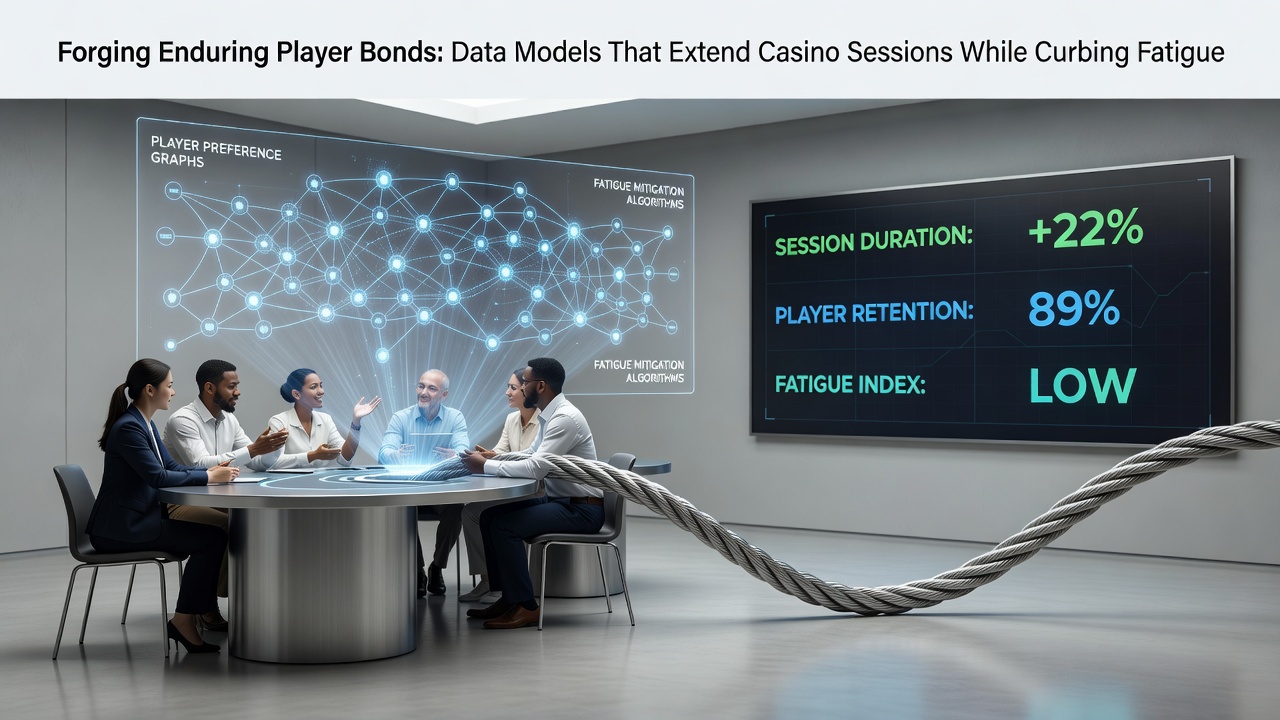
Data models in modern casinos combine behavioral analytics with session monitoring systems to build player loyalty programs that sustain engagement over longer periods while monitoring signs of physical and mental strain, and operators in North America have expanded these frameworks through integrated loyalty platforms that track metrics such as bet frequency, game selection patterns, and dwell time at individual machines or tables. Research from the University of Nevada, Reno Gaming Innovation Center shows how machine learning algorithms process streams of transaction data to predict optimal intervention points where players receive personalized offers that encourage continued play without pushing past natural fatigue thresholds.
Core Components of Session Extension Models
These systems rely on multi-variable datasets that capture everything from heart rate variability captured through wearable integrations to simple metrics like average spins per minute on slot machines, and platforms aggregate this information into player profiles that update in real time as sessions progress. Casinos deploy clustering techniques to group participants by risk tolerance and historical session lengths, which allows operators to tailor rewards such as free play credits or dining vouchers at moments when data indicates a potential drop in engagement.
Operators in Australia have incorporated similar approaches through partnerships with research institutions, where longitudinal studies track how adjusted payout frequencies and bonus round triggers influence total time on device. Figures from the Australian Institute of Criminology reveal that targeted interventions based on these models correlate with session extensions of 12 to 18 percent in monitored venues during controlled trials conducted between 2024 and 2025.
Detecting and Mitigating Fatigue Indicators
Fatigue detection layers sit alongside engagement predictors and analyze variables including response time delays, error rates in game decisions, and shifts in wager sizing that often precede voluntary session endings, and algorithms flag these patterns early enough for staff to deliver non-intrusive prompts such as hydration reminders or short breaks with loyalty point bonuses attached. Canadian regulatory frameworks administered by the Alcohol and Gaming Commission of Ontario require operators to log these interventions as part of responsible gaming compliance, creating datasets that refine model accuracy over successive quarters.

What's interesting is how these models integrate environmental factors such as ambient lighting adjustments and sound level modulation in gaming areas, which some properties in Nevada began piloting in early 2026 to complement digital tracking with physical space modifications that reduce sensory overload. Data from the Nevada Gaming Control Board indicates that venues implementing combined digital and environmental adjustments reported measurable reductions in player-reported exhaustion scores during peak summer months.
Implementation Across Different Gaming Formats
Table game environments apply distinct variants of these models because human dealers introduce variability that automated systems must account for when calculating ideal session pacing, and dealers receive training modules informed by aggregated analytics that highlight when particular players exhibit fatigue signals during extended blackjack or poker sessions. European operators under the Malta Gaming Authority have documented success with hybrid models that blend dealer observations with algorithmic recommendations, resulting in documented increases in repeat visit rates among tracked cohorts.
Online and hybrid casino platforms extend these principles through session timers and dynamic interface changes that gradually simplify visual elements as play duration increases, and backend systems monitor cross-device behavior to maintain continuity when players transition between mobile and desktop access points. Reports compiled by the Canadian Centre for Gaming Research demonstrate that such seamless transitions contribute to longer cumulative play windows without corresponding spikes in self-exclusion requests.
Future Refinements and Data Integration Trends
By July 2026 several major operators plan to layer biometric feedback from venue-issued wristbands into existing models, which will add real-time physiological markers to the behavioral datasets already in use, and preliminary tests suggest these additions could improve fatigue prediction accuracy by another 8 to 10 percent. Integration with broader customer relationship management systems allows casinos to coordinate offers across properties and online channels, creating unified player journeys that maintain engagement while respecting individual fatigue limits.
Stakeholders continue refining ethical boundaries around data collection through ongoing consultations with academic partners, ensuring models prioritize voluntary participation and transparent consent mechanisms that align with evolving regional standards.
Conclusion
These data-driven approaches demonstrate how casinos leverage analytics to balance commercial objectives with player well-being indicators, and continued evolution of the underlying models depends on sustained collaboration between operators, regulators, and research entities across multiple jurisdictions. The resulting frameworks provide structured pathways for session management that prioritize measurable outcomes over anecdotal assumptions.