Linking Reel Data Streams to Enduring Player Frameworks in Casino Operations
Felix Schwarz · Aug 7, 2026

Linking Reel Data Streams to Enduring Player Frameworks in Casino Operations
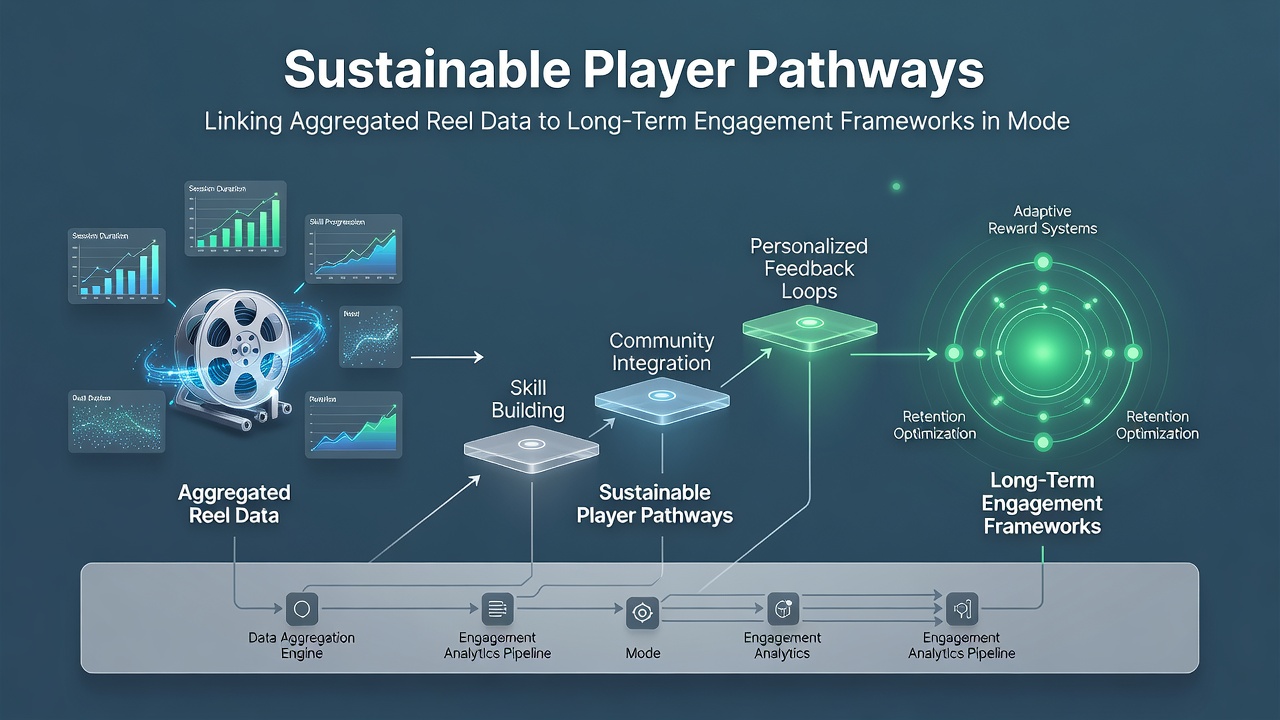
Modern casinos integrate aggregated reel data from slot machines and digital gaming devices into structured frameworks that support long-term player engagement, and researchers at institutions such as the University of Nevada Reno have documented how these systems compile spin outcomes, bet patterns, and session durations across thousands of terminals. Data streams from electronic gaming devices feed into centralized platforms where algorithms identify trends in player behavior without storing individual identifiers in every case, while operators in jurisdictions like Nevada and New Jersey apply these insights to adjust loyalty rewards and game offerings. In August 2026 several North American properties reported expanded use of such analytics following updates to internal compliance protocols.
Mechanics of Reel Data Aggregation
Reel data aggregation begins at the machine level where each spin records symbols, payout values, and time stamps before transmission to secure servers, and technicians maintain these networks through encrypted channels that comply with standards set by bodies including the New Jersey Division of Gaming Enforcement. Analysts then group the raw figures into clusters that reveal collective preferences for volatility levels or bonus features across demographic segments, yet the process avoids direct linkage to personal accounts until players opt into tracked programs. This approach allows properties to monitor machine performance metrics such as average coin-in per hour while generating reports that feed directly into engagement planning cycles.
Integration with Player Retention Systems
Once aggregated, the information connects to broader loyalty infrastructures that schedule targeted communications and reward distributions, and case studies from Australian venues show how these connections extend average visit intervals by aligning bonus triggers with observed reel session lengths. Operators map cumulative win distributions against player tenure data to forecast retention probabilities, while software dashboards display heat maps of peak activity periods derived from months of combined reel logs. Those who manage these platforms note that cross-referencing reel metrics with carded play records produces more stable projections than isolated transaction files alone.
What's interesting here is the way aggregated streams reshape how casinos structure tiered rewards, since patterns in reel frequency guide the placement of progressive jackpot linkages rather than relying solely on manual merchandising decisions. Figures from the Canadian Gaming Association indicate that properties employing these methods recorded steadier monthly active player counts during periods of economic fluctuation.
Regulatory Context and Data Governance
Regulatory frameworks in multiple regions require transparency around how reel data informs engagement tools, and the Massachusetts Gaming Commission has issued guidelines that emphasize anonymized aggregation before any marketing application occurs. Auditors review the pipelines quarterly to confirm that long-term frameworks respect jurisdictional limits on session length suggestions or deposit prompts. Observers point out that these checks reduce the risk of over-extension while still permitting operators to refine game libraries based on collective reel performance statistics.
Yet the ball remains in the operators' court when translating data clusters into actual pathway designs, because frameworks must balance machine uptime targets with player comfort indicators drawn from the same aggregated sources. Research published through the Queensland University of Technology outlines several models where reel variance data directly informs the timing of responsible gaming messages within digital interfaces.
Practical Applications Across Venues
Take one mid-sized property in Pennsylvania that reconfigured its high-limit reel banks after reviewing six months of aggregated outcome data, which revealed consistent player migration toward mid-volatility titles during evening hours. The adjustment produced measurable shifts in session continuity without altering payout percentages. Similar projects in Macau integrated reel stream analytics with hotel booking systems to coordinate offers that extend overall engagement windows across both gaming and non-gaming amenities.
Industry reports compiled by the European Casino Association further illustrate how aggregated data supports predictive maintenance schedules for gaming devices, thereby minimizing downtime that could interrupt established player pathways. These operational improvements complement the engagement side by ensuring consistent access to preferred reel configurations.
Conclusion
Aggregated reel data continues to anchor long-term engagement frameworks across contemporary casino environments through systematic collection, analysis, and application steps that respect regulatory boundaries. Properties that maintain robust data pipelines gain clearer visibility into collective playing patterns, which in turn supports more precise calibration of rewards and game availability. As platforms evolve, the linkage between raw spin records and sustained player relationships remains a core operational focus for facilities worldwide.