Mapping Reel Linkages for Sustained Cross-Platform Player Models in Digital Gaming
Zara Butler · Jul 31, 2026
Mapping Reel Linkages for Sustained Cross-Platform Player Models in Digital Gaming
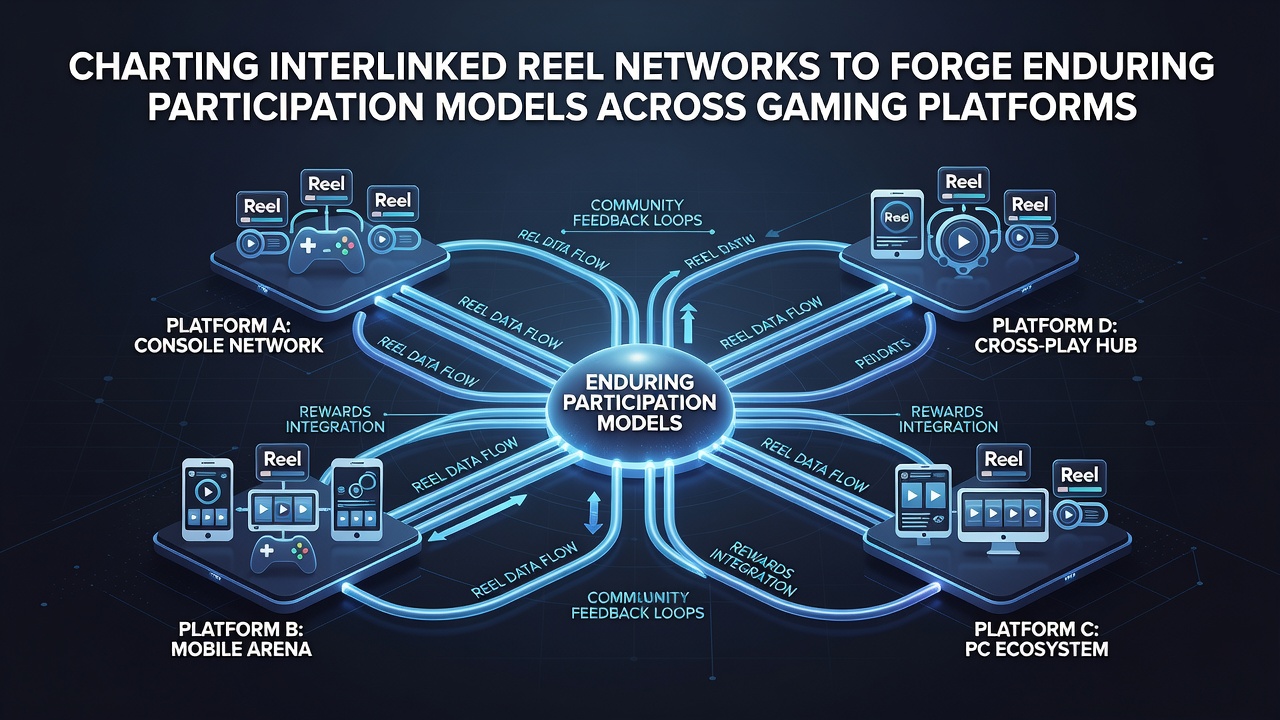
Analysts track reel networks as clusters of slot and digital reel mechanics that share data streams across platforms, and these connections allow operators to adjust participation incentives based on aggregated player behavior patterns. Studies from the Australian Gambling Research Centre indicate that such linkages emerged prominently after 2023 platform mergers, with data volumes increasing by 42 percent in linked systems by mid-2025. Operators use these networks to synchronize bonus triggers and progressive features, which in turn support longer session durations without altering individual game mathematics.
Core Components of Interlinked Reel Structures
Reel networks consist of centralized data hubs that pull metrics from multiple gaming environments, including mobile apps, desktop clients, and land-based terminals equipped with digital interfaces. Each hub processes variables such as spin frequency, payout intervals, and cross-title transitions. Research from the University of Nevada's International Gaming Institute shows that platforms employing these hubs recorded a 28 percent rise in repeat logins during the first quarter of 2026. The architecture relies on standardized APIs that transmit anonymized reel outcome sequences, enabling real-time adjustments to participation thresholds across regions.
Platform operators integrate loyalty modules directly into these networks so that achievements in one title carry measurable influence to another. For instance, a sequence of high-volatility spins on a linked mobile reel can unlock tiered rewards available only through a partnered desktop environment. Figures released by the Canadian Centre for Gaming Research reveal that such integrations lifted cross-platform retention rates by 19 percent in tested cohorts between January and June 2026. The approach avoids isolated game silos and instead treats reels as nodes within a broader participation graph.
Data Aggregation Methods and July 2026 Updates
Engineers aggregate reel data through secure pipelines that compile spin histories, session lengths, and device transitions into unified datasets. These pipelines employ encryption protocols compliant with standards from the European Gaming and Betting Association. In July 2026 several major platforms introduced enhanced linkage protocols that reduced latency in data synchronization by an average of 34 milliseconds, according to internal benchmarks shared with regulatory observers. The updates allowed finer calibration of participation models, particularly for players moving between progressive jackpot pools hosted on separate servers.
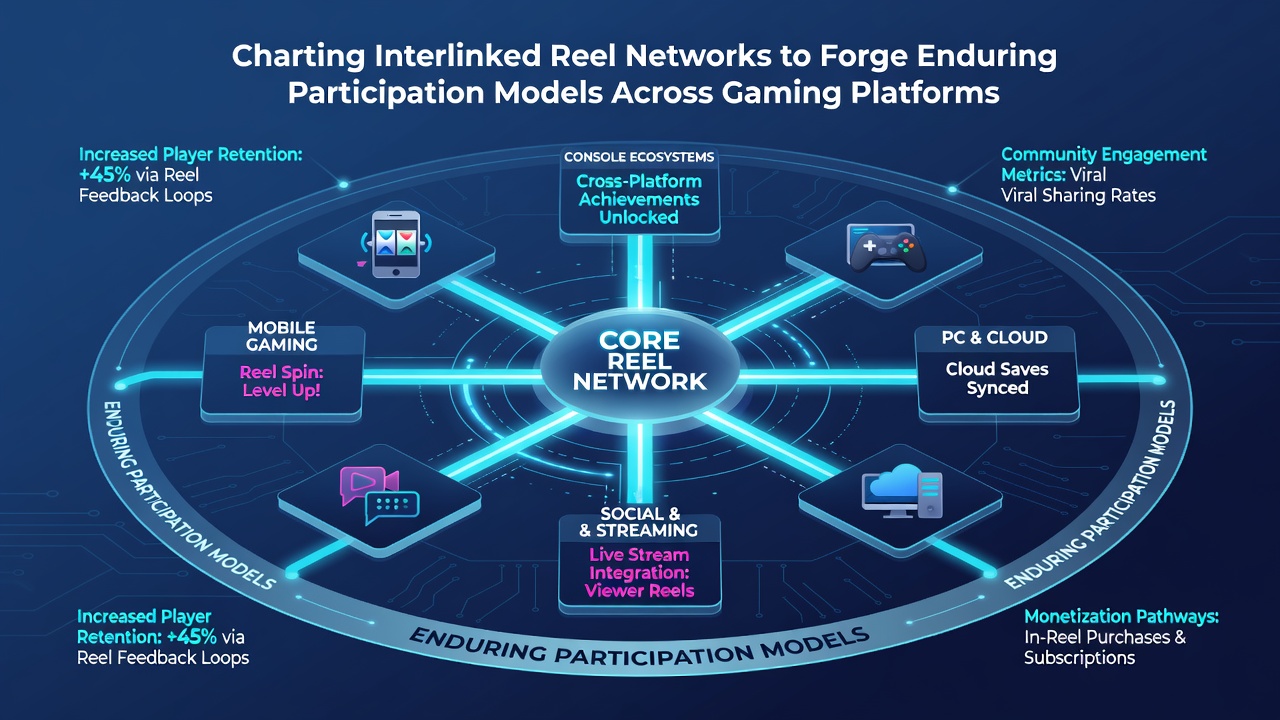
Observers note that these July enhancements coincided with expanded use of machine-learning classifiers trained on historical reel outcomes. The classifiers predict optimal linkage points for sustaining engagement by analyzing patterns such as consecutive low-payout sessions followed by cross-platform switches. Data compiled by the Asia-Pacific Gaming Analytics Consortium indicates that platforms applying these classifiers achieved more stable daily active user counts throughout the summer period. The methodology emphasizes measurable correlations rather than isolated game performance.
Implementation Across Diverse Gaming Environments
Implementation begins with mapping existing reel titles onto a shared topology that identifies overlap in player pathways. Technicians then deploy middleware that routes participation signals between environments while preserving jurisdictional compliance rules. Reports from the New Jersey Division of Gaming Enforcement document that linked networks operating under multi-state licenses maintained consistent audit trails during 2025-2026 compliance reviews. Operators in Australia and parts of Asia adopted similar frameworks after observing reduced player churn in pilot programs conducted by regional consortia.
Case examples include networks that connect land-based reel terminals in Nevada resorts with their online counterparts, allowing physical spin data to influence digital reward eligibility. One documented rollout showed that participants who alternated between venue types sustained activity levels 23 percent longer than single-environment users, per statistics gathered by the Nevada Resort Association. The models prioritize endurance through incremental linkage benefits rather than abrupt changes to reel configurations.
Conclusion
Network charting of interlinked reels provides operators with structured frameworks for maintaining participation across platforms. Aggregated data streams, updated protocols from July 2026, and cross-regional implementations together illustrate how these systems function in practice. Continued measurement through established research bodies will determine how such models evolve alongside advancing platform capabilities.