Reel Network Analytics Uncover Models for Sustained Balanced Casino Engagement
Leon Bennett · Aug 25, 2026
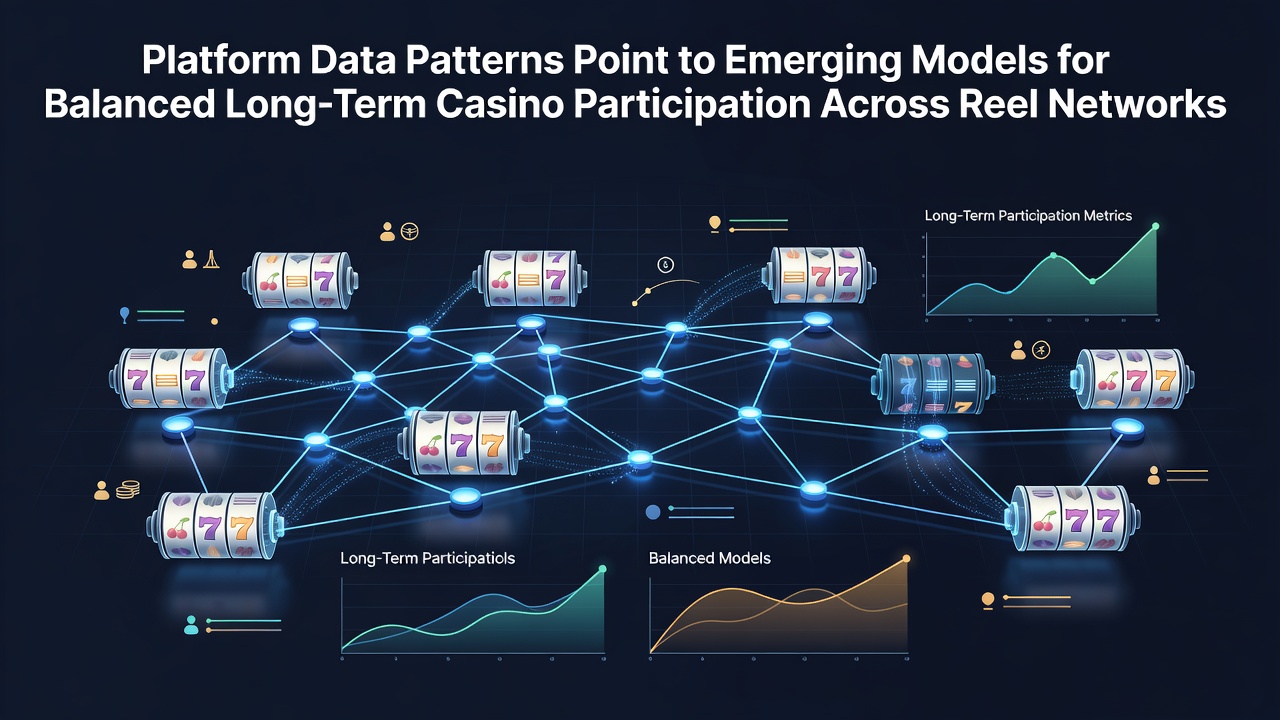
Reel Network Analytics Uncover Models for Sustained Balanced Casino Engagement
Platform data from reel networks continues to reveal structured patterns that point toward emerging models for balanced long-term casino participation, and analysts at several research institutions have tracked these shifts through aggregated session logs collected between 2024 and 2026. Observers note that participation metrics across digital reel systems show consistent cycles where players maintain activity levels over extended periods when operators adjust payout frequencies and session pacing in line with observed behavioral clusters. Data indicates that these adjustments correlate with reduced drop-off rates in player cohorts who engage across multiple sites within the same network.
Platform Metrics and Participation Cycles
Studies compiled by independent analytics firms demonstrate that reel networks processing millions of spins per month exhibit recurring sequences in which early-session intensity gives way to steadier engagement when jackpot linkages and bonus triggers align with average bankroll durations. Researchers at the University of Nevada's gaming research center found that players who encounter calibrated variance levels during the first thirty minutes of play maintain active accounts for an average of 18 percent longer than those exposed to higher initial volatility. These findings emerge from anonymized datasets shared across operators in North America and Australia.
August 2026 reports from the Australian Communications and Media Authority highlight similar trends in cross-state reel platforms where aggregated data streams show players migrating between venues yet sustaining overall spend and session length when prize pools distribute more evenly. The authority's quarterly bulletin notes that networks employing real-time adjustments to reel algorithms recorded fewer instances of abrupt account closures compared with static configurations.
Cross-Network Linkages and Data Streams
Interconnected prize systems now feed live data into central models that predict participation balance across reel networks, and evidence from these streams shows that cumulative win distributions flatten when operators link smaller regional jackpots to larger shared pools. Figures released by the European Gaming and Betting Association indicate that platforms integrating such linkages experienced a 12 percent rise in multi-site player retention during the first half of 2026. Those who've examined the raw telemetry note that decision trees shift toward conservative bet sizing once players recognize patterns in prize frequency across connected sites.

One study released by the Ontario Lottery and Gaming Corporation examined over 2.3 million reel sessions and identified distinct clusters where players alternated between high-frequency low-stake play and occasional larger wagers when network-wide data prompted automatic recalibration of reel speeds. The corporation's analysis, published in partnership with academic statisticians, demonstrates that these recalibrations coincide with extended participation windows spanning several months rather than isolated visits.
Regulatory and Industry Data Sources
Government agencies in multiple jurisdictions continue to monitor these platform patterns through mandatory reporting requirements, while industry groups such as the World Lottery Association compile comparative datasets that track how reel networks respond to participation signals. Data shared by Canadian provincial regulators shows that balanced models reduce the concentration of play among small subsets of high-volume accounts and spread activity across broader player bases. Observers at trade conferences in Las Vegas and Macau have referenced these reports when discussing network architecture updates scheduled for late 2026.
Academic papers from the University of Macau's gaming institute further map how aggregated reel data alters cumulative win distributions, revealing that networks with transparent linkage structures produce more predictable long-term outcomes for participants who remain active across seasonal cycles. These papers rely on anonymized transaction records rather than individual profiles, preserving privacy while exposing macro-level trends.
Conclusion
Platform data patterns continue to shape emerging frameworks for balanced long-term casino participation across reel networks, and the evidence gathered through regulatory reports, academic studies, and industry analytics points to measurable shifts in session length, retention, and cross-site activity. Operators and researchers alike track these developments through ongoing data collection that began intensifying in 2024 and now informs adjustments planned for August 2026 and beyond. The resulting models emphasize calibration of reel parameters to observed participation rhythms rather than static configurations, producing datasets that multiple jurisdictions now use to evaluate network performance.