Tiered Loyalty Frameworks Shape Repeat Visits at Regional Gaming Locations
Leon Bennett · Jul 12, 2026
Tiered Loyalty Frameworks Shape Repeat Visits at Regional Gaming Locations
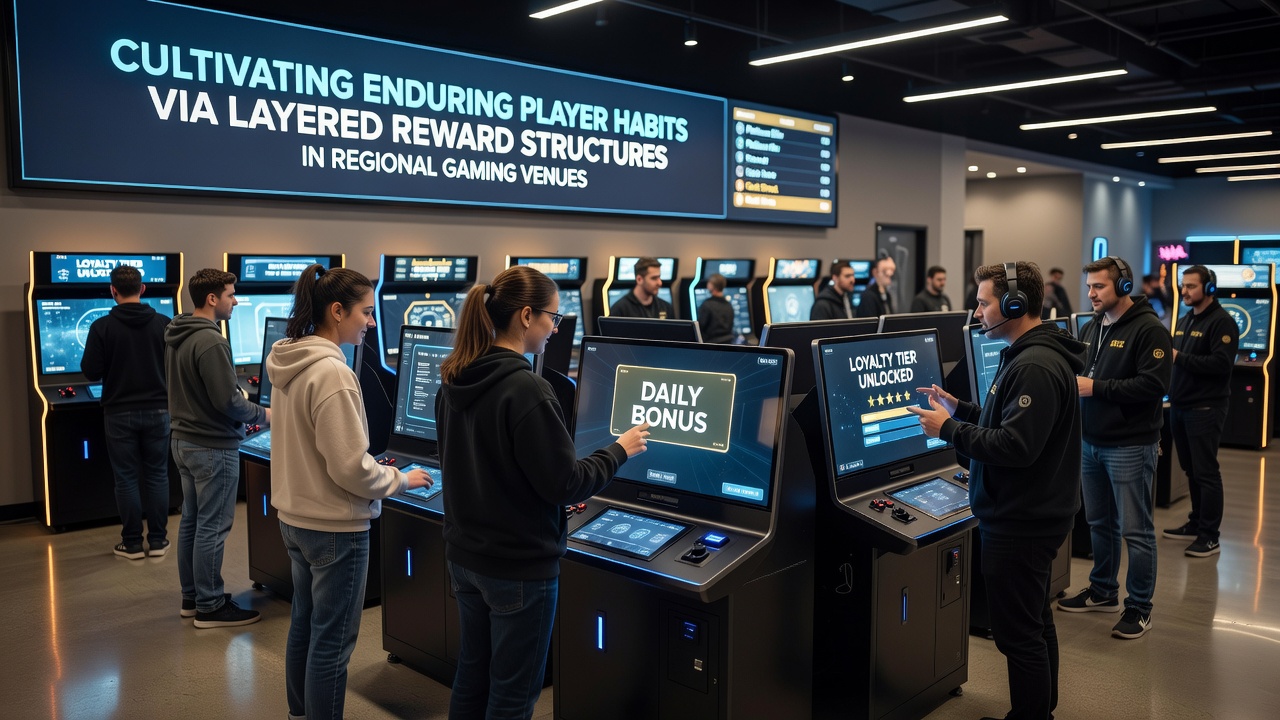
Regional gaming venues rely on structured reward programs that assign points for play and advance participants through multiple levels, each unlocking distinct benefits such as complimentary meals, room upgrades, and exclusive event access. These systems operate on the principle that incremental gains encourage consistent return trips because players track progress toward the next tier and adjust their visit frequency accordingly. Data collected across North American properties indicate that members enrolled in multi-level programs record 25 to 40 percent more monthly visits than non-members during the same observation windows. Operators achieve this outcome by publishing clear point thresholds and publishing monthly statements that display remaining requirements for advancement. Players receive automated alerts when they near a new level, which prompts additional sessions within the current calendar period.Mechanics Behind Layered Point Systems
Each venue maintains a base currency of points earned per dollar wagered, yet the conversion rate improves once a player crosses into higher tiers. Bronze status might deliver one point per dollar, while platinum status awards 1.5 points per dollar plus accelerated accumulation toward free play credits. This graduated structure creates a feedback loop where time invested yields compounding returns, and observers note that the pace of advancement often determines how soon a player schedules the next trip.
Venues also insert time-limited multipliers during slower weekdays, which shift player decision patterns toward those specific days. Reports from properties in the Midwest show a 15 percent increase in Tuesday and Wednesday foot traffic after such multipliers activate. The same programs layer in milestone bonuses, such as a one-time credit upon reaching 10,000 points within a quarter, further anchoring habitual scheduling around those targets.Regional Variations in Program Design
Properties in the western United States frequently emphasize experiential rewards such as concert tickets and golf privileges, whereas eastern venues lean toward practical perks like gas cards and dining credits. Both approaches produce measurable retention gains, according to figures released by the American Gaming Association in its 2025 annual review. Operators adjust the mix of benefits based on local demographics, yet the underlying tier architecture remains consistent across markets.
In Australia, several state-regulated clubs have adopted similar frameworks that integrate with government-mandated responsible gambling tools, allowing players to set personal visit limits while still progressing through reward levels. A 2024 study published by the University of Sydney documented that participants who remained enrolled for at least twelve months reduced average session length by 8 percent while maintaining overall visit counts, suggesting the layered incentives can coexist with harm-minimization measures.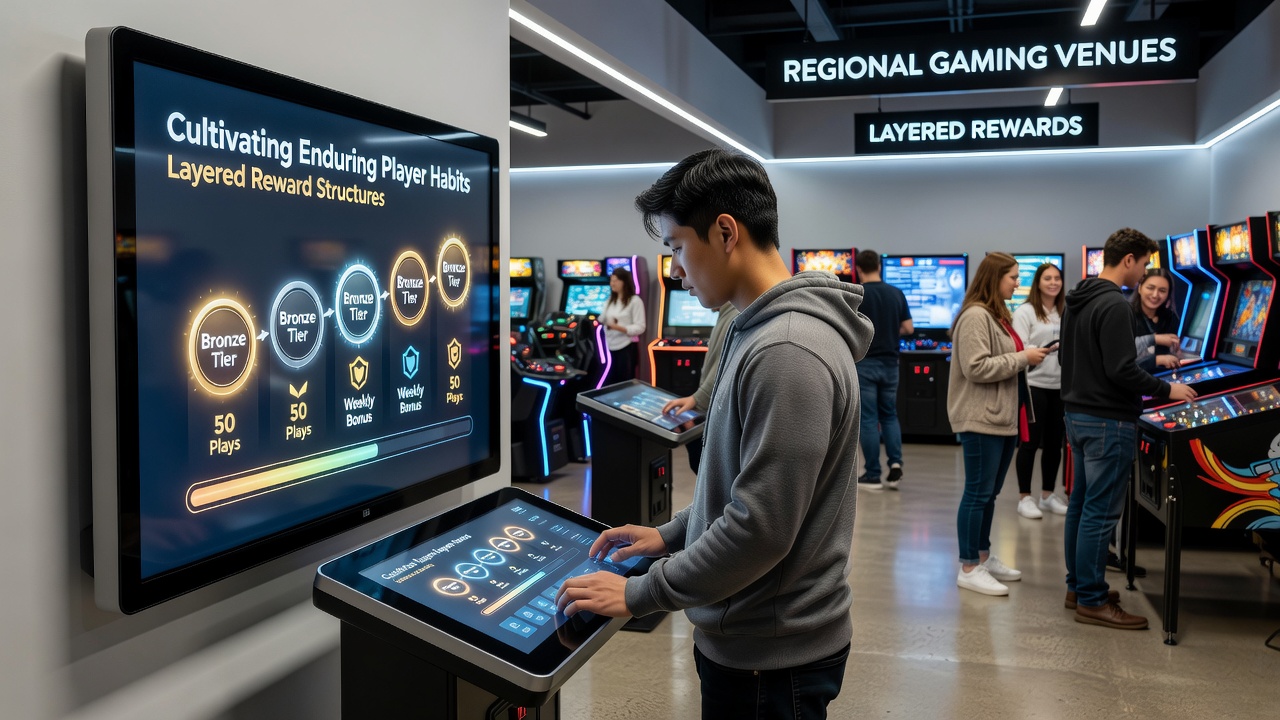
Behavioral Patterns Observed in 2026
Platform analytics released in July 2026 by several mid-sized operators revealed that players who achieved silver status within their first 90 days maintained active accounts at a rate 32 percent higher than those who remained at entry level. The data further showed that personalized offers tied to a player's current tier, such as bonus point multipliers on preferred game types, produced the strongest lift in subsequent visit frequency.
Venues have begun testing dynamic tier resets that occur on a rolling twelve-month basis rather than fixed calendar dates. This adjustment prevents long-term members from experiencing abrupt drops in status and sustains engagement across seasonal fluctuations in regional tourism. Early results from pilot sites in the Northeast indicate that rolling windows stabilize point-earning velocity and reduce churn during traditionally slower months.Integration With Digital Tracking Tools
Mobile applications now serve as the primary interface for tier status and upcoming rewards, delivering real-time point balances and suggested actions to reach the next level. These apps also surface location-specific promotions that align with a member's historical play patterns, increasing the likelihood that a player will select one property over another on any given evening. Industry reports compiled by the Canadian Gaming Association confirm that digital integration correlates with a 19 percent rise in cross-property loyalty among frequent regional visitors.
Security protocols require identity verification at enrollment, which allows operators to link rewards to verified accounts and prevents point sharing that could dilute the intended behavioral effect. Venues update their terms annually to reflect changes in data protection standards while preserving the core progression mechanics that drive habit formation.Conclusion
Layered reward structures continue to function as a primary mechanism for sustaining player participation at regional gaming venues. Through graduated benefits, timely notifications, and digital interfaces, operators maintain measurable increases in visit frequency and account longevity. Ongoing adjustments to tier thresholds and reward types reflect both regulatory environments and local player preferences, ensuring the systems remain aligned with operational goals across multiple jurisdictions.